
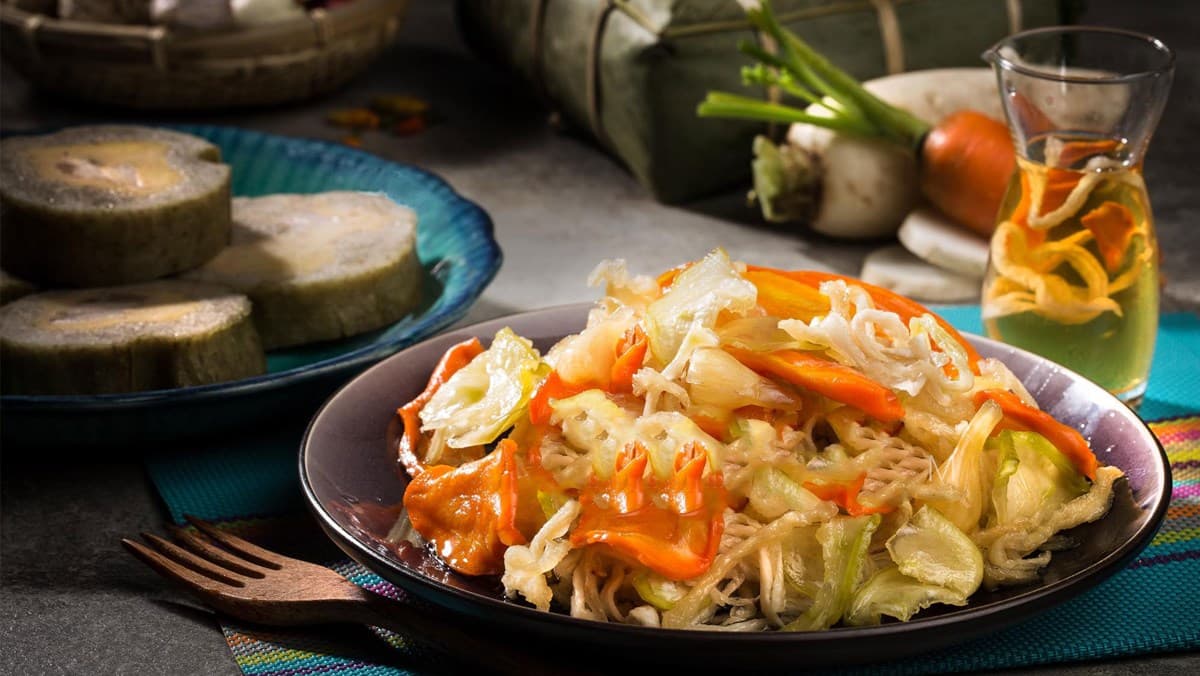

As you explore the vibrant culture of Vietnam, don’t miss out on the unique flavors that define its culinary landscape. Among these are a variety of traditional fermented foods that not only tantalize the taste buds but also tell stories of the culture and history of the region. Here are some fermented delights, key Vietnamese condiments, worth knowing, along with their origins.
Read more interesting posts here:
- The Health Benefits of Fermented Foods in Vietnamese Cuisine
- More Than a Meal: The Cultural Heart of Traditional Vietnamese Fermented Foods
- A Food Lover's Guide to Vietnam Outdoor Cuisine: From Market to Trail
Nước mắm: The essence of flavor in Vietnamese condiments
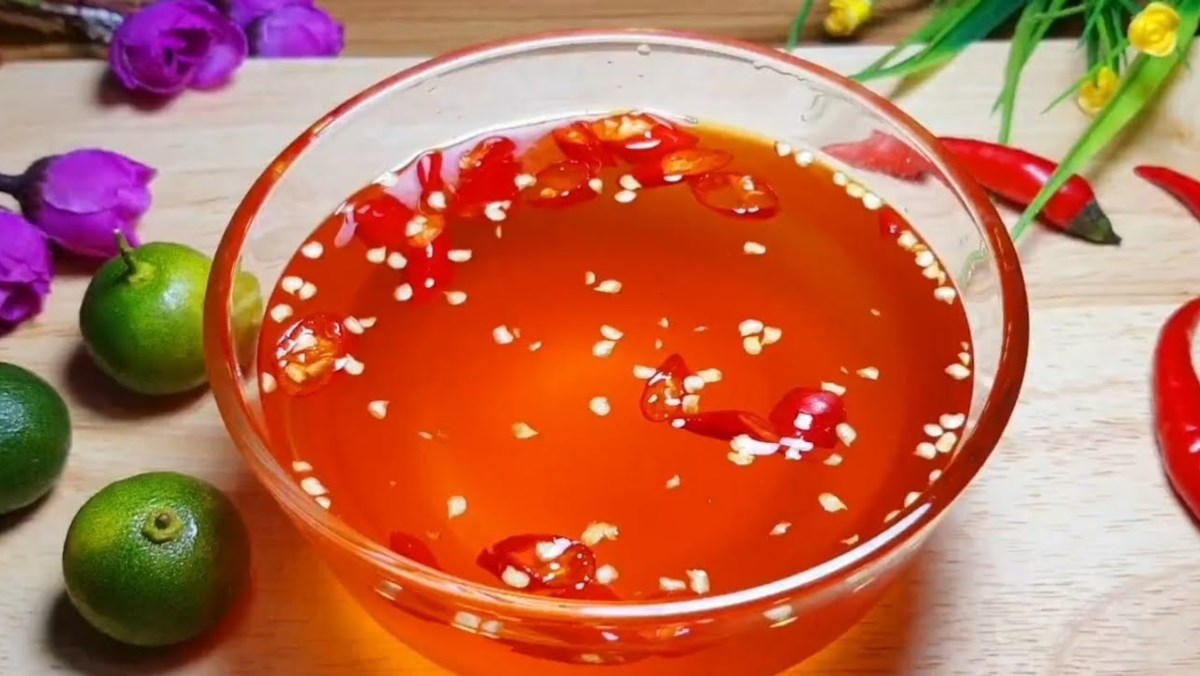
Perhaps the most famous fermented product and essential among Vietnamese condiments is nước mắm, or fish sauce. This savory condiment has roots that go back over a thousand years, with origins traced to the coastal regions of Southeast Asia. Made by fermenting fish, usually anchovies, with salt over several months, it results in a rich, umami-packed liquid that is a staple in Vietnamese cooking.
The production of nước mắm is an art form, often passed down through generations. Regions such as Phú Quốc are famous for their high-quality fish sauce, which is considered an essential ingredient in numerous dishes, from dipping sauces for fresh spring rolls to marinades for grilled meats.
Dưa món: Pickled vegetables as Vietnamese condiments
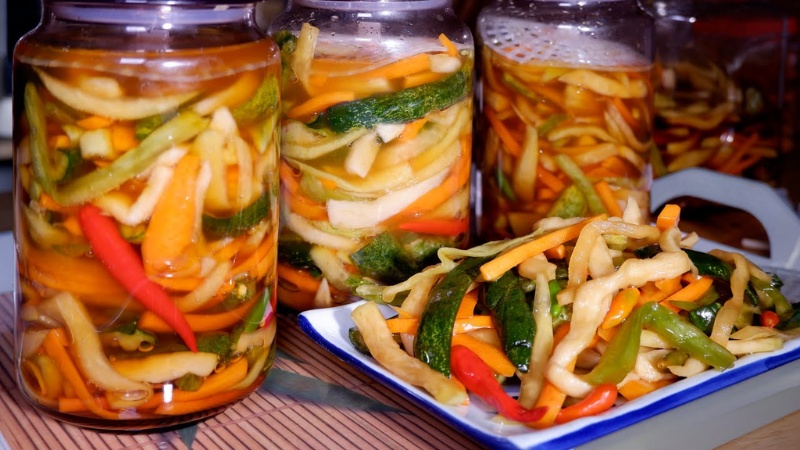
Dưa món refers to a variety of pickled vegetables commonly served as side dishes or snacks, forming another important category of Vietnamese condiments. The practice of pickling vegetables has ancient origins in Vietnam, stemming from a need to preserve produce, especially during the rainy season when fresh vegetables are scarce.
Typically made from carrots, radishes, and cucumbers, dưa món is fermented in a mixture of vinegar, sugar, and salt. This process not only prolongs the shelf life of the vegetables but also enhances their flavors. Dưa món is particularly popular during festive occasions and family gatherings, often enjoyed with rice or as a refreshing contrast to rich dishes.
Kim chi: The Vietnamese twist on a classic condiment
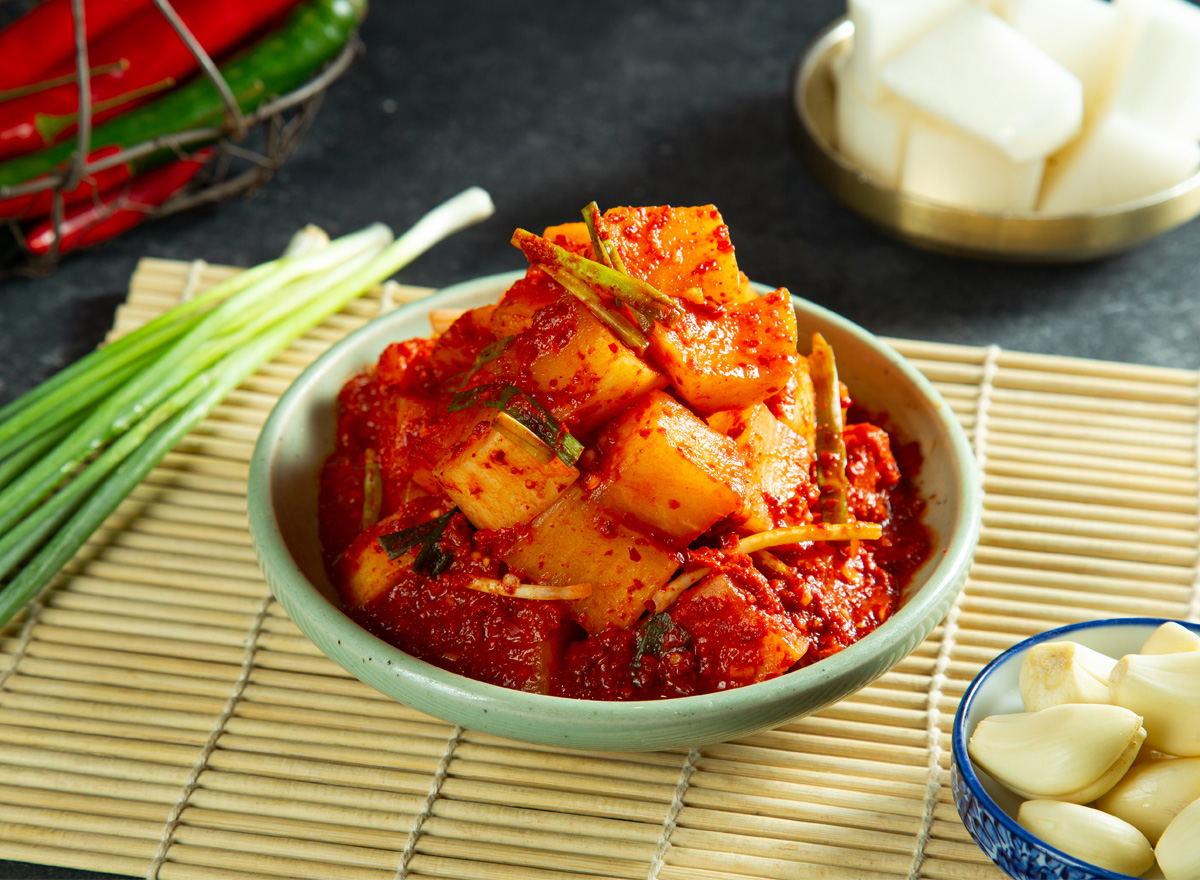
While originally from Korea, kim chi has found a beloved place in Vietnamese cuisine, particularly in the north. The origins of kim chi date back thousands of years, with variations adapting to local tastes and ingredients. As a Vietnamese condiment, it offers a spicy and tangy kick.
In Vietnam, this fermented dish typically consists of napa cabbage and radishes, seasoned with chili, garlic, and fish sauce. The fermentation process gives kim chi its distinctive tangy flavor and satisfying crunch. Regional variations often incorporate local vegetables and spices, making it a versatile addition to meals across the country.
Mắm tôm: Fermented shrimp paste, a bold Vietnamese condiment
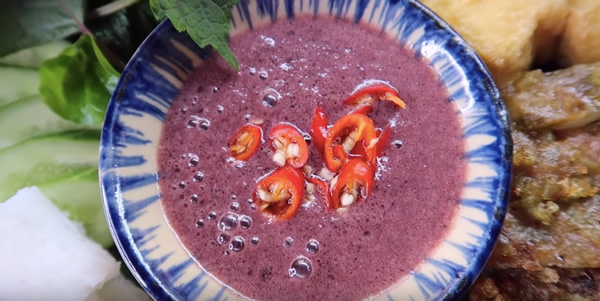
Mắm tôm is a fermented shrimp paste that is particularly popular in southern Vietnam. Its origins can be traced back to ancient coastal communities that relied on seafood as a primary food source. Made from small shrimp or krill fermented in salt, this condiment has a long history as a vital ingredient among Vietnamese condiments.
While mắm tôm may not be for everyone due to its strong taste, it is a beloved component of many dishes, especially in the Mekong Delta region. It adds depth and complexity to dipping sauces, often served with fresh vegetables or grilled meats.
Bánh đúc: Fermented rice cake as a unique Vietnamese condiment
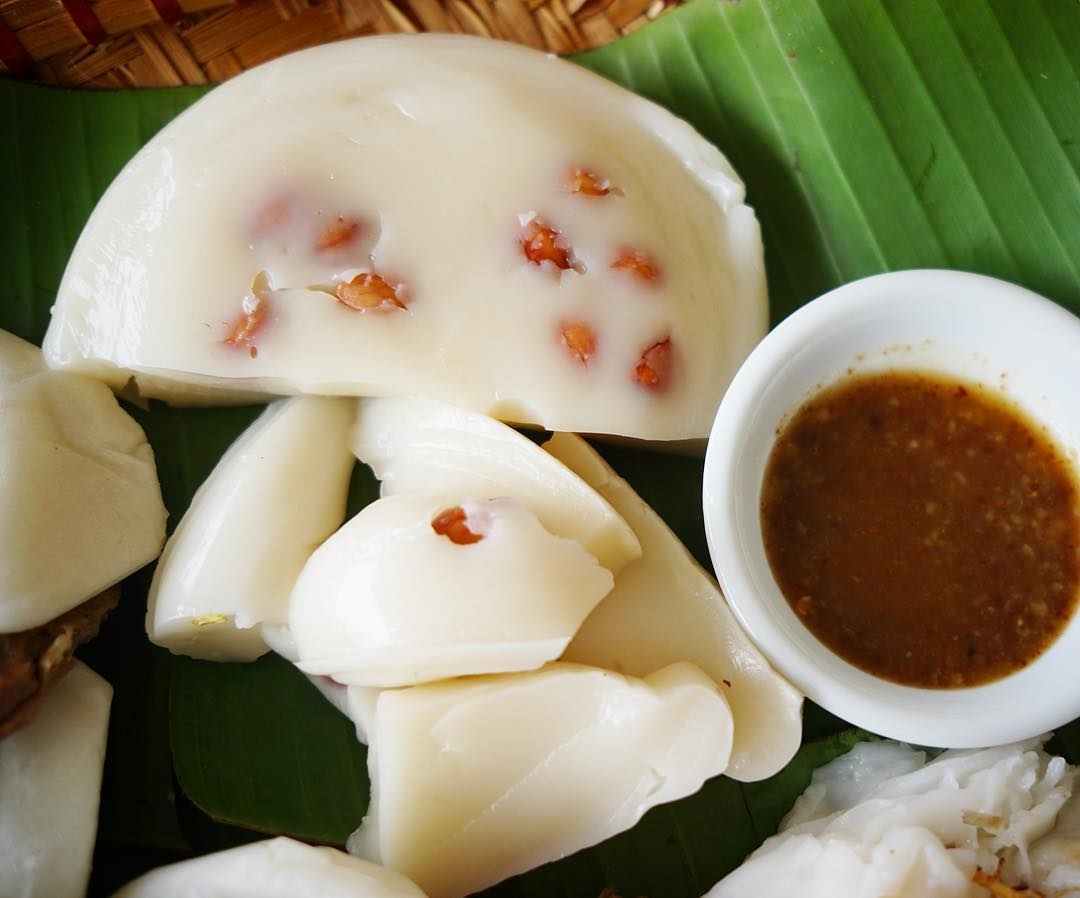
Bánh đúc is a traditional Vietnamese rice cake with origins dating back to ancient times. The fermentation of rice flour is a method that has been used for centuries in various cultures, including in Vietnam, making it a distinctive form of Vietnamese condiments or accompaniment.
This soft, chewy snack is typically made from fermented rice flour and can be enjoyed as a sweet or savory dish, topped with various ingredients such as mung beans, pork, or fresh herbs. Different regions have their own variations of bánh đúc, showcasing local flavors and ingredients.
Embracing the rich world of Vietnamese condiments
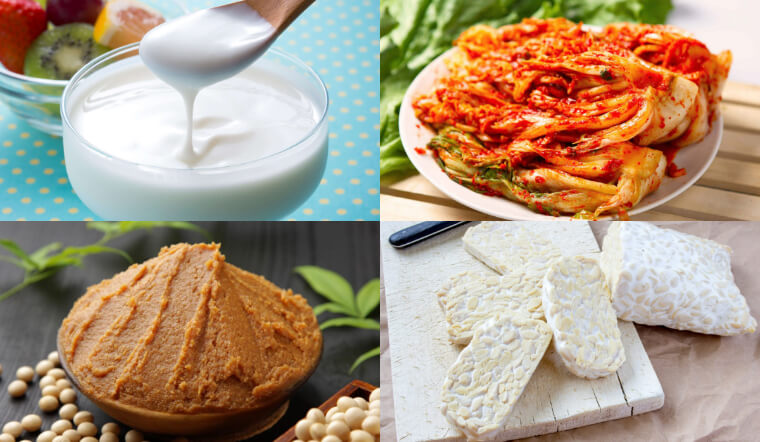
Exploring the world of fermented snacks and Vietnamese condiments adds another layer to your culinary journey. Each of these foods not only provides nourishment but also connects you to the rich cultural tapestry of the country.
Whether you’re enjoying a refreshing bowl of dưa món alongside a hearty meal or sampling the bold flavors of mắm tôm, these traditional snacks offer a taste of Vietnam’s heritage. So, dive into the culinary scene, and let the flavors of Vietnam enrich your experience!
Conclusion
The array of Vietnamese condiments, particularly those that are fermented, are more than just flavor enhancers; they are the heart and soul of the cuisine. From the ubiquitous nước mắm to the pungent mắm tôm and the refreshing dưa món, these traditional ingredients reflect centuries of culinary wisdom and regional diversity. Exploring them offers a true taste of Vietnam's rich gastronomic heritage.
Ready to explore the culture behind the cuisine? Join our community of explorers in the ExoTrails Facebook Group and follow the ExoTrails Fanpage for daily inspiration and trail tips!
FAQs
What are the most popular fermented condiments in Vietnamese cuisine?
The most popular fermented condiments include Nước Mắm (fish sauce), Mắm Tôm (fermented shrimp paste), and Dưa Món (pickled vegetables).
How does Nước Mắm (fish sauce) contribute to Vietnamese dishes?
Nước Mắm is a staple, contributing a rich, savory, and umami-packed flavor that is essential for dipping sauces, marinades, and many traditional dishes.
What is Mắm Tôm and how should it be consumed?
Mắm Tôm is a strong-tasting fermented shrimp paste, often used as a dipping sauce with fresh vegetables or grilled meats, particularly popular in Southern Vietnam.
What is the history behind fermented foods in Vietnam?
The history of fermented foods in Vietnam is ancient, stemming from the need to preserve ingredients and enhance flavors, a practice passed down through generations.
Are there any health benefits to eating traditional Vietnamese fermented foods?
Yes, traditional fermented foods are often rich in probiotics, which can support gut health and aid digestion.
Where can I find high-quality Nước Mắm in Vietnam?
Phú Quốc is particularly renowned for producing high-quality Nước Mắm, often considered the best in Vietnam.
Can I make these Vietnamese fermented foods at home?
Some fermented foods like Dưa Món can be made at home with relative ease, while others like Nước Mắm require specific conditions and expertise.


