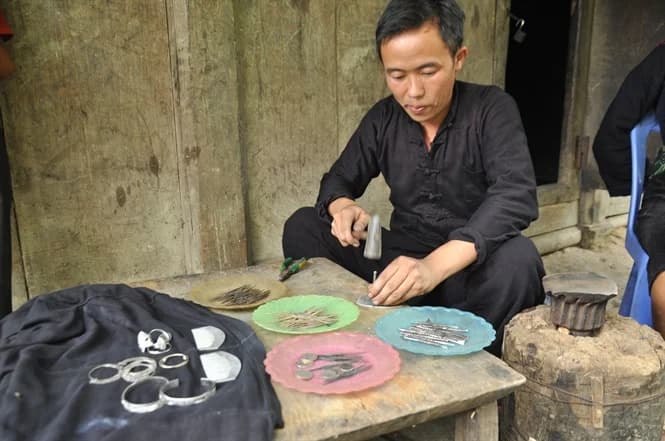


If you've ever felt a quiet pull toward history, Vietnam's cities offer a beautiful treasure hunt. To understand this country's heart, you need to look beyond the immediate hustle and trace the elegant lines where French grace met Vietnamese ingenuity. It’s not about grand museums; it’s about slow walks down residential streets, feeling the atmosphere of a bygone era still humming beneath the surface. Come, let's wander through the places where the 'Indochine' style tells its most intimate stories, particularly the distinctive colonial architecture Saigon is known for.
Read more interesting posts here:
- Vietnam by Taste: Mapping the Diverse Landscape of Regional Vietnamese Cuisine
- Canoes for Two: Uncovering the Best Kayaking Spots Vietnam Offers
- Chasing Cascades: Your Ultimate Vietnam Waterfall Road Trip Guide
Ho Chi Minh City: Grandeur and Discovery in Colonial Architecture Saigon
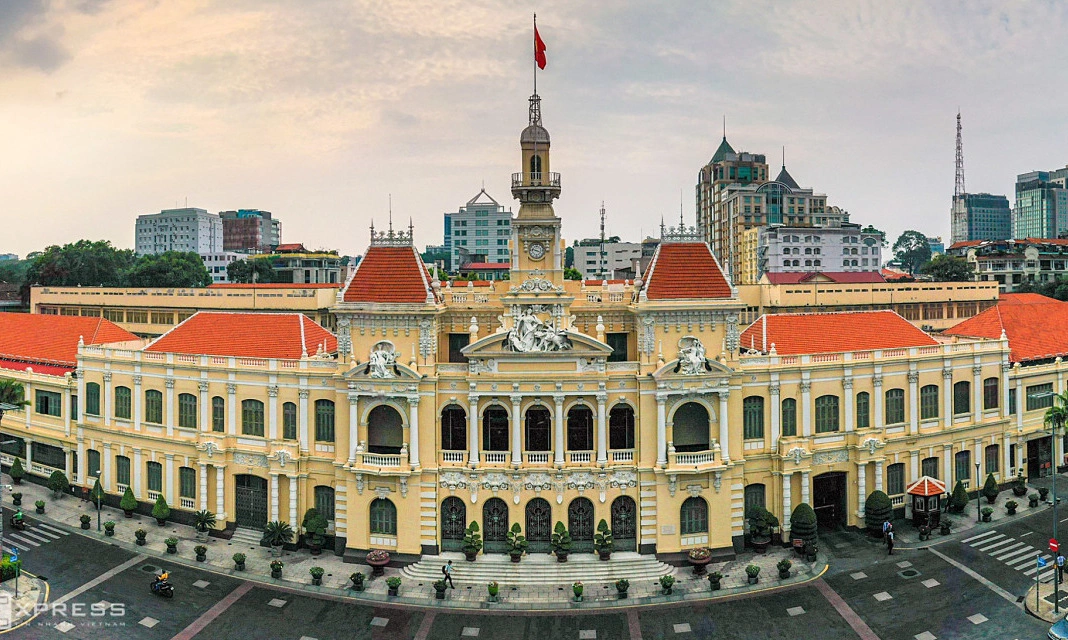
Saigon’s French footprint feels grander, more open, reflecting its commercial energy. The key is seeking out the historical pockets amidst the rush. The most prominent examples of colonial architecture Saigon can be found right in the city center.
- The Residential Embrace: Let yourself get wonderfully lost along Phan Đình Phùng Street and Trần Hưng Đạo Street. Beneath the thick canopy of trees, you'll find the most beautiful French-designed villas, softly weathered and utterly graceful. Notice how the classic tiled roofs and elegant balconies were adopted into Vietnamese family life—it’s a living museum of adaptation.
- Art Deco Whispers: Spend time exploring the small blocks surrounding the Hanoi Opera House. Here, you’ll discover the distinct Art Deco shophouses from the 1930s—all rounded corners and geometric patterns. This is the Indochine Style in its purest, most charming form.
- Old Quarter Clues: Even in the dense Old Quarter, look up! You'll see those familiar French shutters and wrought-iron balconies perched atop the narrow "Tube Houses," a perfect visual of two worlds squeezing together.
Ho Chi Minh City: Grandeur and Discovery in the South
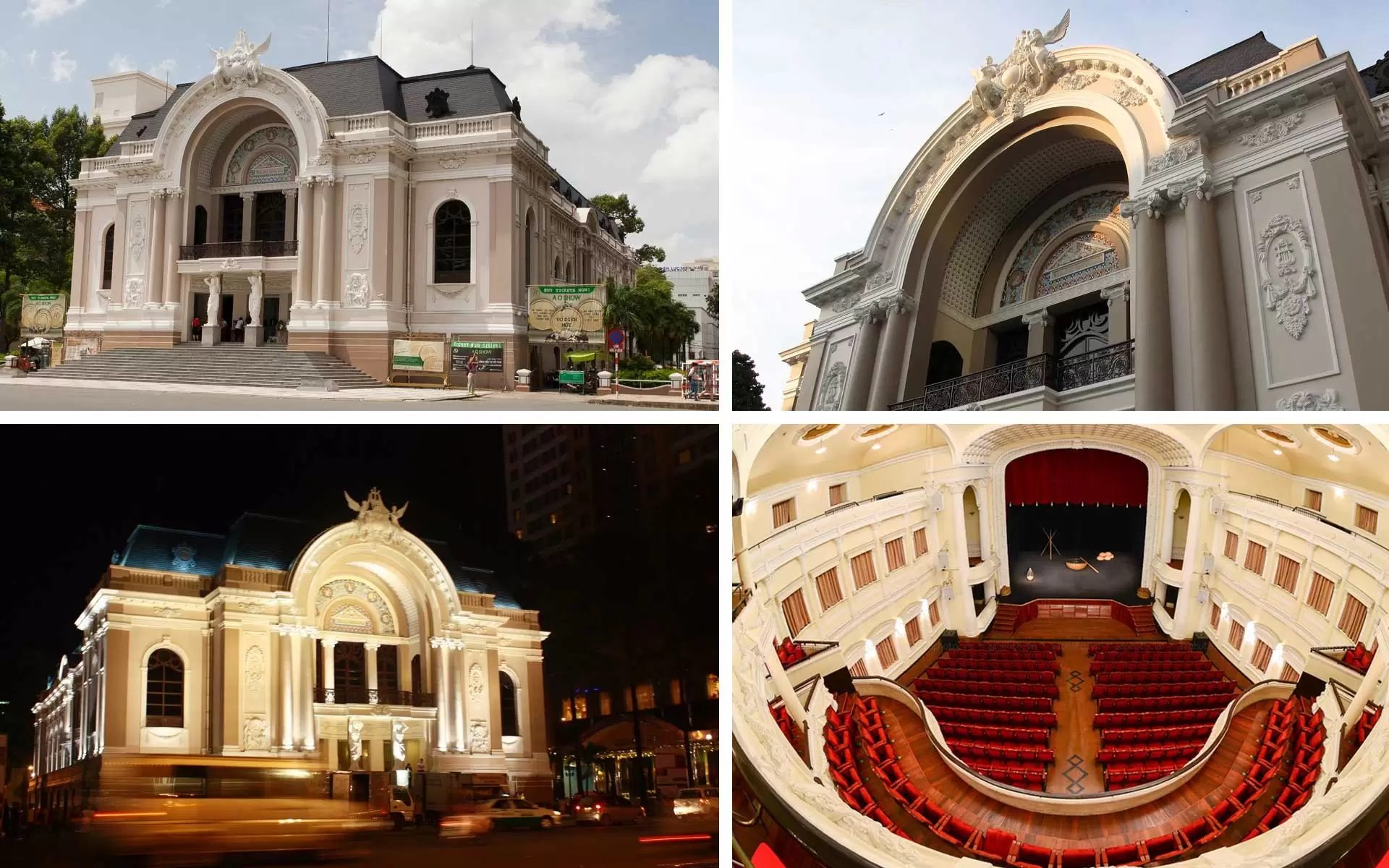
Saigon’s French footprint feels grander, more open, reflecting its commercial energy. The key is seeking out the historical pockets amidst the rush.
- The Main Stage: Start at the core of District 1—Đồng Khởi Street and Lê Duẩn Street—to see the imposing classics like the Central Post Office and the People's Committee Building. These structures set the stage for the era.
- The Residential Hunt: For the authentic, warm Indochine residential feel, you need to walk the quieter streets in the older parts of District 3 and Phú Nhuận District. Here, you'll stumble upon the spacious villas, often painted in that signature buttery yellow, which seems to glow in the Saigon sun.
Đà Lạt: A Dreamy Mountain Retreat of French-Era Design
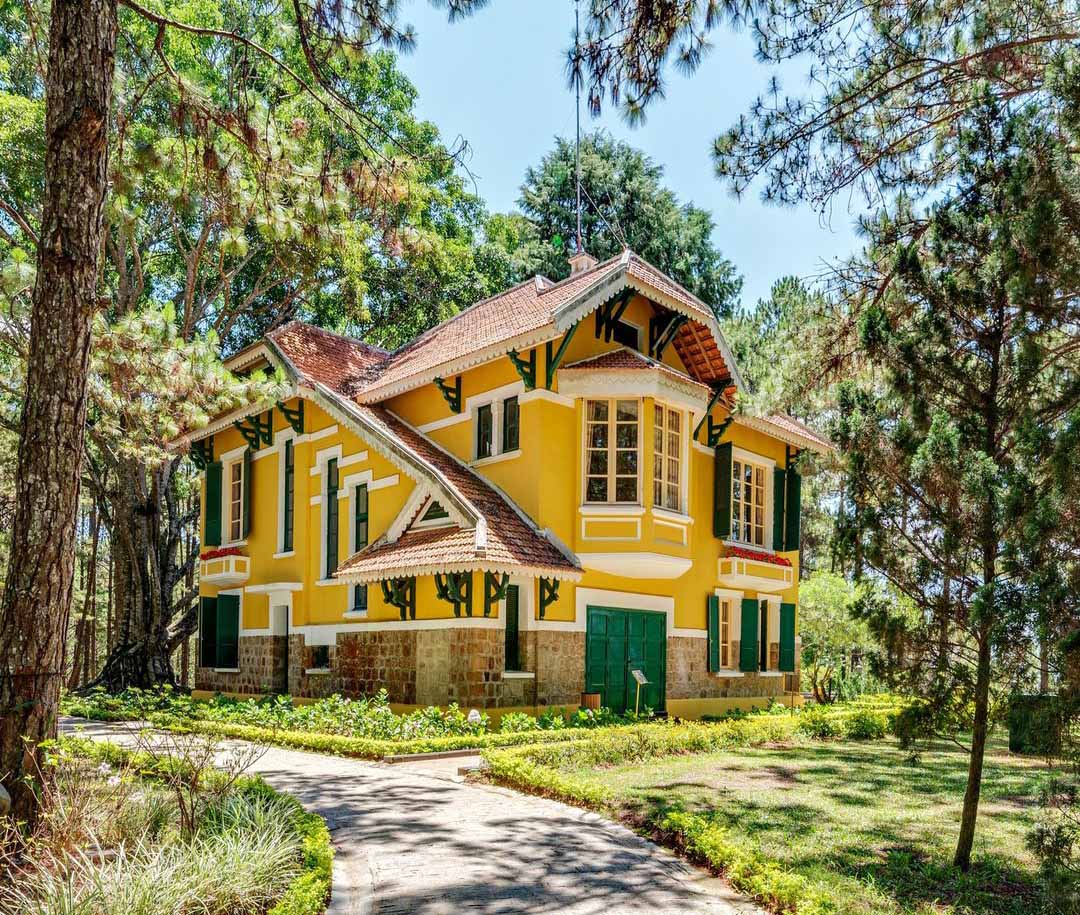
Traveling to Đà Lạt is like stepping into a completely different country. The cooler climate allowed the French to build pure escape architecture, distinct from the colonial architecture Saigon exhibits.
- Alpine Charm: Here, you won't find the density of the cities. Instead, you'll discover charming chalets and villas scattered across rolling hills, often featuring stone chimneys and sloping roofs—a dream of the European countryside built with Vietnamese materials.
- The Perfect Stroll: Take a leisurely wander through the areas around Xuan Huong Lake or the streets leading to the Old Railway Station. Look closely at the villas near Dinh 2 (King Bảo Đại's Palace) for the ultimate examples of this elegant, cool-climate style, now often converted into the city’s best cafes and guesthouses.
Rewarding Detours: Ports and Peaks with Colonial History
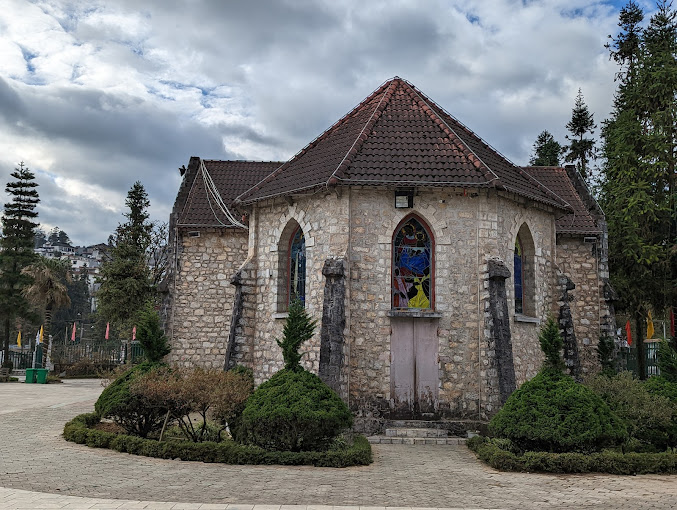
For the traveler who loves an earned reward, these spots offer raw, untouched colonial architecture:
- Hai Phòng’s Authenticity: As a former major northern port, Hai Phòng's central area near the Opera House is a treasure trove of French architecture, often less polished than Hanoi’s. It's an authentic, raw glimpse into a critical commercial hub of the past.
- Sapa’s High-Altitude History: In Sapa, look past the modern hotels and seek out the weathered stone and brick villas perched on the surrounding hills. They are the hardy remains of the French officers and administrators who sought refuge from the heat, offering a beautiful contrast to the towering mountains.
Every shutter and every terracotta tile tells a story of cultural absorption and Vietnamese resilience. Take your time, look closely, and let these silent structures transport you.
Conclusion
The colonial architecture Saigon showcases, alongside that of Hanoi and Da Lat, offers a tangible, beautiful record of Vietnam’s complex past. From the monumental landmarks of District 1 to the charming, buttery-yellow residential villas, these structures represent a unique "Indochine" style that embodies both historical influence and resilient Vietnamese adaptation, defining the urban soul of the South.
Ready to walk through history on the streets of Saigon? Join our vibrant community on Facebook to share your trekking stories and tips, and don't forget to like the ExoTrails fanpage for the latest updates and exclusive offers!
Frequently Asked Questions (FAQs)
Q: Where is the best area to see intact colonial architecture Saigon has to offer?
A: The area around Đồng Khởi Street and Lê Duẩn Street in District 1, including the Central Post Office and Notre Dame Cathedral, holds the most famous landmarks.
Q: What is the most iconic piece of colonial architecture Saigon is known for?
A: The Saigon Central Post Office and the City Hall (People's Committee Building) are often cited as the most magnificent and iconic examples of the French-era design in the city.
Q: Did the colonial architecture in Saigon differ from Hanoi?
A: Yes, Saigon's colonial architecture tends to be grander and more functionally commercial, reflecting its status as a major trade port, while Hanoi’s is often more residential and intimate.
Q: Are there any residential areas in Saigon featuring colonial architecture?
A: Yes, many large, beautifully preserved French villas can still be found in the quieter, older sections of District 3 and Phú Nhuận District.