
Table of Contents Show
Nestled along the banks of the Perfume River, the ancient city of Hue is more than just a historical site; it is a vibrant tapestry of artistry that reflects the soul of Vietnam’s imperial past. While the city may be best known for its grand citadel and royal tombs, the true heart of Hue lies within its Hue craft villages. Here, artisans continue to practice age-old traditions, from intricate woodcarving to the delicate art of paper flower making, preserving the poetry of a bygone era.
Read more interesting posts here:
- Brewing Stillness: Unpacking the Meditative Art of Tea Vietnam Offers
- Brewing Stillness: The Meditative Ritual of the Vietnamese Tea Ceremony
- The Resilient River: Motorbikes, Trains, and the Complete Guide to Transport in Vietnam
Woodcarving: Preserving the Royal Legacy in Hue Craft Villages
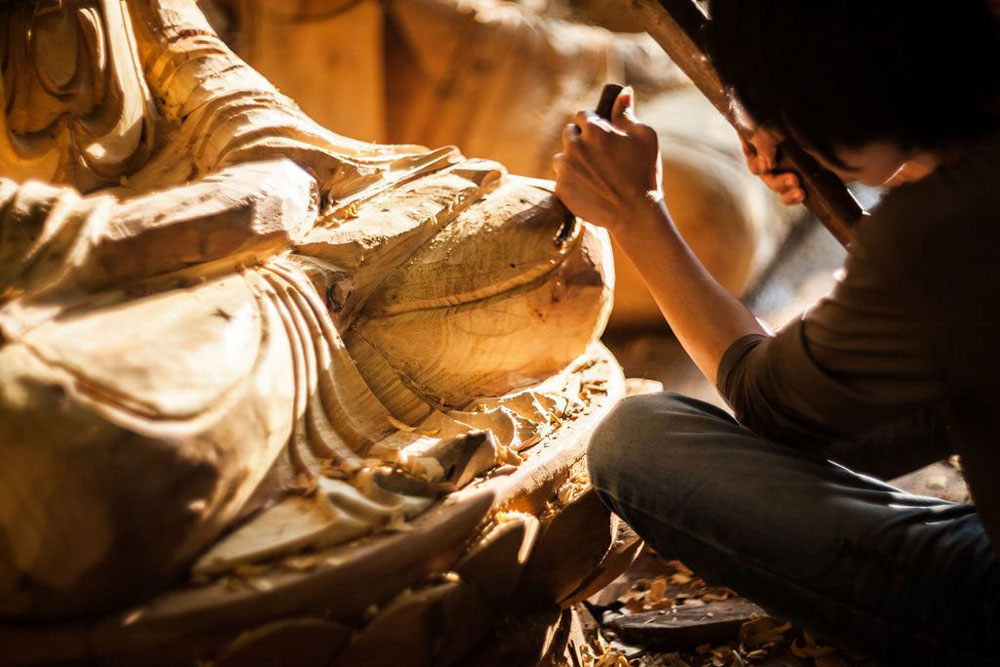
In the Hue craft villages surrounding the city, each artisan family plays an essential role in maintaining the cultural heritage of this historic region. Woodcarvers, for example, create stunning sculptures and architectural elements that showcase the intricate designs characteristic of the Nguyen Dynasty. These skilled craftsmen often pass their techniques down through generations, blending traditional methods with contemporary design ideas. The rich, fragrant wood used in their creations not only adds to the beauty but also tells a story of the land and its resources.
Paper Flowers: The Delicate Artistry of Hue Craft Villages
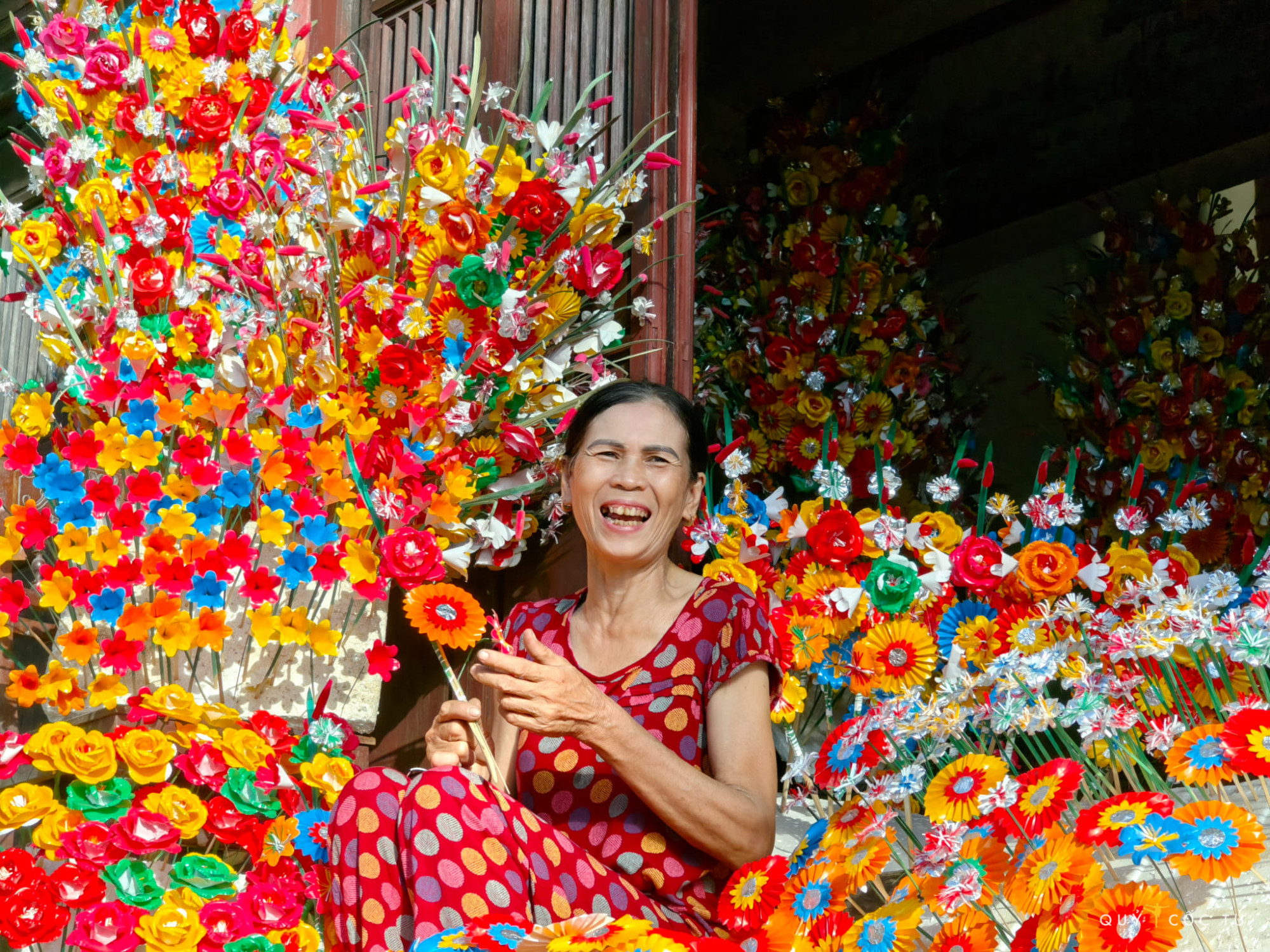
One of the most enchanting aspects of Hue’s craft scene is the art of making paper flowers. In dedicated workshops, artisans transform simple paper into exquisite blossoms, a practice that dates back centuries. These delicate flowers are not only used for decorations but also play symbolic roles in traditional ceremonies. Customers can observe the meticulous process of creation, from crafting the petals to assembling the final bouquet, and gain insight into the philosophy that underscores this intricate art form. For the artisans of the Hue craft villages, each flower is not just a product; it represents their love for their craft and the heritage they seek to preserve.
Philosophy and Tradition in Hue Craft Villages
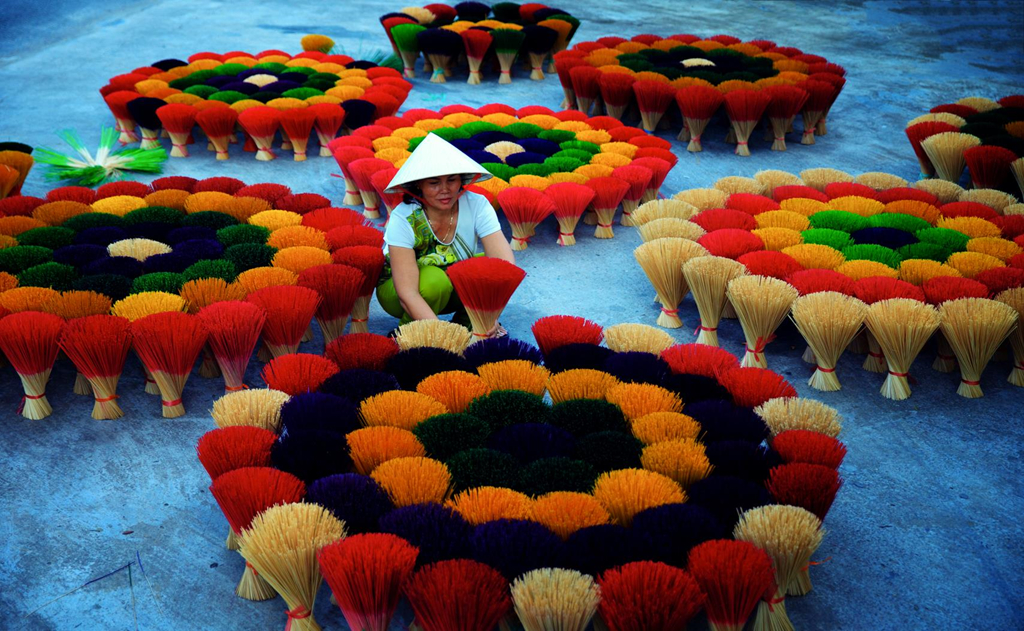
The artistry found in Hue’s villages is rooted in a profound philosophy that emphasizes harmony with nature and respect for traditions. Artisans view their craft as a form of storytelling, where each piece serves as a bridge connecting the past to the present. This depth of meaning adds an emotional layer to their work, inviting observers to reflect on the stories embedded within each creation. It’s a beautiful reminder of how art can encapsulate history and culture while remaining relevant in modern times.
Responsible Tourism and the Future of Hue Craft Villages
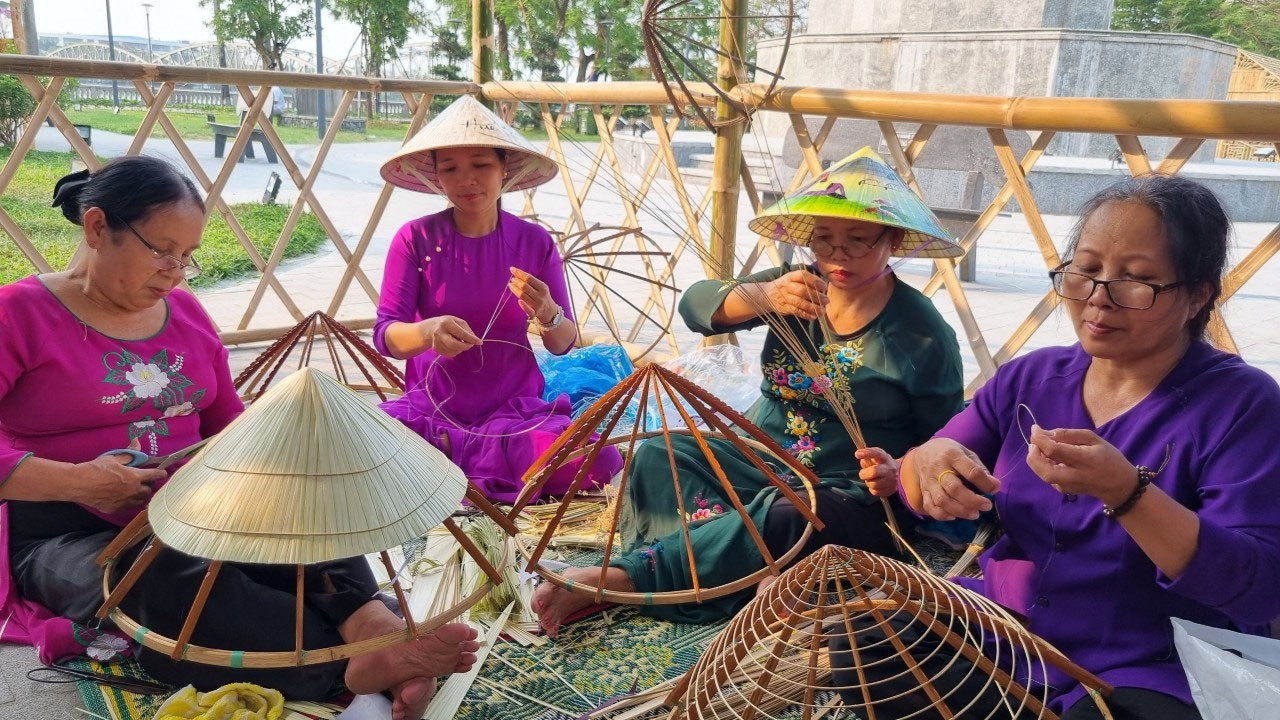
ExoTrails plays a pivotal role in showcasing these lost villages and their artisans. By curating experiences that provide travelers with a behind-the-scenes look at the craftsmanship of Hue, ExoTrails allows visitors to engage directly with these talented individuals. Participants can take part in workshops, learning the techniques behind woodcarving or crafting their own paper flowers, fostering a deeper appreciation for the artistry involved. Supporting these artisans is key to preserving the heritage of the Hue craft villages.
As travelers explore these hidden gems, they not only witness the beauty of Hue’s craftsmanship but also connect with the people behind the art. Conversations with the artisans reveal their personal stories, struggles, and aspirations, making the experience rich and multifaceted. Visitors leave with a greater understanding of the cultural significance of these crafts and a sense of having participated in the preservation of Vietnam’s artistic heritage.
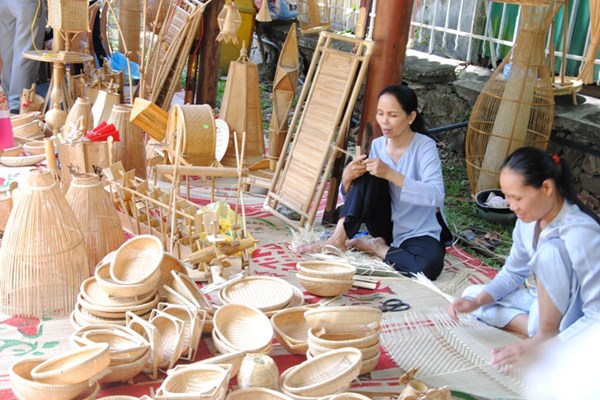
In a world increasingly dominated by mass production, Hue’s craft villages stand as a testament to the power of authenticity and tradition. The artistry of these communities not only preserves a vital aspect of Vietnamese identity but also encourages younger generations to cherish their cultural roots. As they continue to practice and innovate, these artisans ensure that Hue’s artistic legacy remains vibrant and alive.
Ultimately, the lost villages of Hue encapsulate a journey into Vietnam’s artistic heart. Each craft tells a story, weaving together the threads of history, culture, and creativity. As travelers engage with these timeless traditions, they become part of a larger narrative, one that celebrates the enduring beauty of craftsmanship and the importance of preserving the soul of a city steeped in history.
Conclusion
The Hue craft villages are the living artistic legacy of Vietnam’s imperial past, with artisans diligently preserving centuries-old traditions like woodcarving and the delicate creation of paper flowers. A visit to these villages offers travelers a unique, intimate connection with the cultural heart of Hue, allowing them to witness the artistry and profound philosophy that underpins the region’s heritage.
Ready to explore Vietnam’s artistic soul? Join our vibrant community on Facebook to share your trekking stories and tips, and don’t forget to like the ExoTrails fanpage for the latest updates and exclusive offers!
Frequently Asked Questions (FAQs)
Q: Why are Hue craft villages so important to Vietnamese history?
A: These villages preserved the specialized skills and intricate art forms required to serve the Imperial Court and to decorate the temples and tombs of the Nguyen Dynasty.
Q: Which craft is Hue most famous for outside of woodcarving?
A: Hue is particularly famous for its delicate paper flower making, a craft that holds significant symbolic and decorative roles in local traditions and ceremonies.
Q: Can tourists participate in workshops in the Hue craft villages?
A: Yes, many workshops encourage travelers to engage in hands-on experiences, such as making paper flowers or learning basic carving techniques.
Q: Where are most of the historic Hue craft villages located?
A: The villages are typically located just outside the main city center, often along the banks of the Perfume River, offering a serene, rural setting.
Klook.com