
Table of Contents Show
Coffee, or cà phê, is now one of Vietnam’s most defining cultural exports, but its story is one of transformation. Introduced by French colonists, the beverage was initially a luxury item. Through historical necessity, agricultural ingenuity, and sheer force of will, the Vietnamese people took the bitter bean and transformed it into a powerful, syrupy, and deeply communal ritual that fuels the world’s second-largest coffee economy. The entire narrative is rooted in the compelling history of Vietnamese coffee.
Read more interesting posts here:
- Discovering the Authentic Vietnamese Coffee Culture in the Central Highlands
- Vietnamese Fine Dining: Beyond the Pho Stall to Gastronomic Heritage
- Ancestral Worship in Vietnam: A Young Generation’s Journey Back to Their Roots
The colonial seed and the condensed milk solution: The early history of Vietnamese coffee
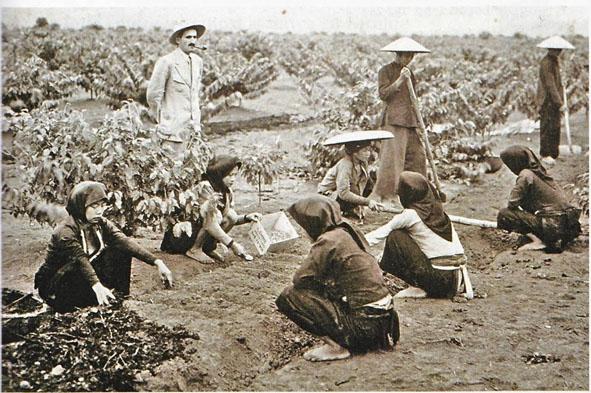
The journey of Vietnamese coffee begins with a foreign influence, but the definitive local flavor was born from a practical, resilient solution to a tropical climate problem.
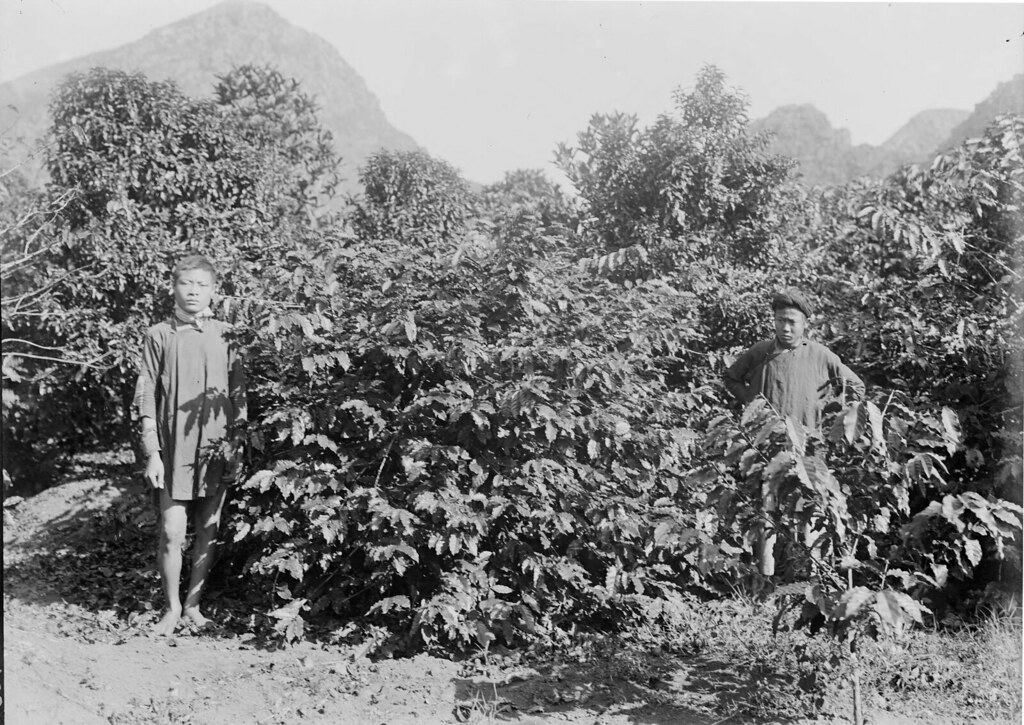
- The Introduction (1850s): French missionaries first introduced Arabica coffee plants to northern Vietnam around 1857, marking the starting point in the history of Vietnamese coffee.
- The Robusta Shift: The hardier Robusta bean, known for its intense, bold, and higher-caffeine flavor, became dominant in the Central Highlands, distinguishing Vietnamese coffee globally.
- The Condensed Milk Solution: Because fresh milk was scarce, sweet condensed milk was adopted to cut the bitterness of the strong Robusta, creating the signature creamy, buttery, and sweet flavor of Cà Phê Sữa Đá.
The post-war reclamation and the global boom: Modern history of Vietnamese coffee
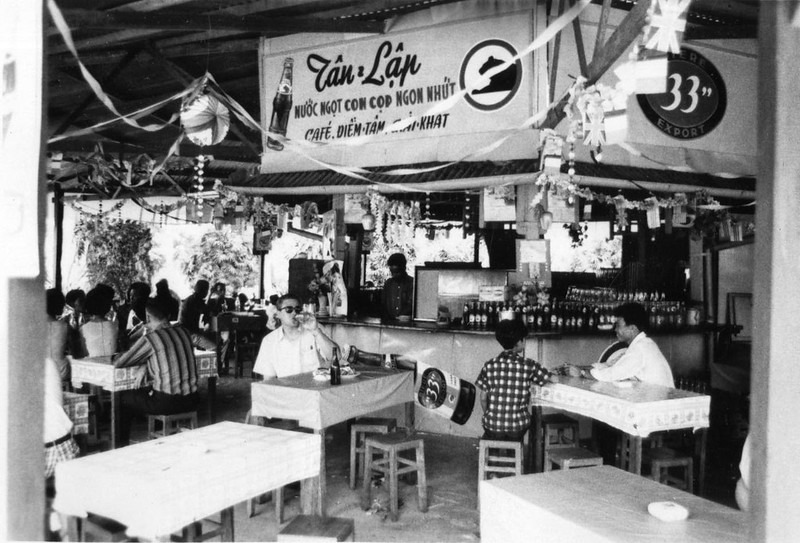
Following decades of war and turmoil, the government’s economic reforms led to the total reclamation of the coffee industry, turning it from a colonial cash crop into a powerful national economic engine.
- The Đổi Mới Reforms (1986): Economic liberalization incentivized farmers to return to private enterprise, fueling an astonishing boom that dramatically shaped the history of Vietnamese coffee.
- Economic Powerhouse: Vietnam rapidly rose to become the world’s second-largest exporter of coffee (and the largest producer of Robusta), cementing coffee’s status as a critical national product and lifting millions out of poverty.
- Ingenuity: The slow-dripping phin filter and the innovative Cà Phê Trứng (Egg Coffee)—invented in Hanoi due to milk shortages—showcase the national spirit of resourcefulness and adaptation that defined the mid-century history of Vietnamese coffee.
The modern café culture and social fabric: The current history of Vietnamese coffee
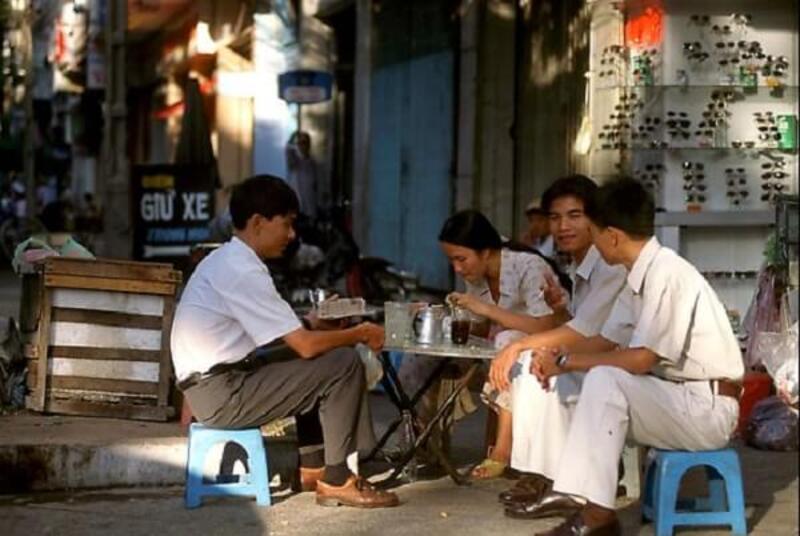
Today, coffee is woven into the social fabric of urban Vietnam, dictating the pace of life from dawn until dusk, offering a democratic form of social gathering that is incredibly accessible to everyone, continuing the vibrant history of Vietnamese coffee.
- The Street Corner Democratizer: The ubiquitous street-side cà phê is more than just a vendor; it is an open-air living room and a communal office. Patrons, perched on low plastic stools, sip their slowly dripping coffee, conduct business, or simply watch the motorbikes stream by. The price remains incredibly democratic, ensuring accessibility to all classes. A standard street-side cà phê sữa đá typically costs between $1.00 and $1.50 USD.
- The New Waves and Unique Spaces: While tradition is honored, the modern scene is vibrant with innovation. Chains like Trung Nguyên and Highlands Coffee created modern, comfortable spaces, but the true excitement lies in the niche, independent cafes. These often occupy hidden courtyards or old apartment blocks, offering themed decor, excellent Wi-Fi, and unique specialty drinks like Cà Phê Cốt Dừa (Coconut Coffee) or specialized Arabica blends.
- The Café as a Linger Spot: Unlike the grab-and-go culture elsewhere, the Vietnamese cafe encourages lingering. For the price of a specialty drink (generally ranging from $2.00 to $4.50 USD in a high-end cafe), patrons are encouraged to occupy a seat for hours, making it the primary venue for socializing, dating, working remotely, and reflecting. This “slow sip” culture provides a necessary, calm contrast to the high-energy pace of the surrounding urban environment.
Conclusion
Vietnam’s coffee is a story of reclaiming an import, mastering its production, and adapting its consumption to perfectly suit the climate and the national character. The rich history of Vietnamese coffee is a daily testament to the nation’s resilience, ingenuity, and deep-seated communal spirit. It is a daily cup of history, resilience, and sweet, concentrated energy that travelers can immediately participate in and afford, offering a profound cultural experience that is woven into the fabric of everyday life.
Join our vibrant community on Facebook to share your trekking stories and tips, and don’t forget to like the ExoTrails fanpage for the latest updates and exclusive offers!
Frequently Asked Questions (FAQs)
Q: When did the history of Vietnamese coffee officially begin?
A: The history of Vietnamese coffee began in the 1850s when French missionaries first introduced Arabica coffee plants to the northern region.
Q: Why is Robusta coffee so dominant in the history of Vietnamese coffee?
A: The Robusta bean is hardier, better suited to Vietnam’s tropical climate, and offers a higher-caffeine, bolder flavor preferred locally.
Q: What is the significance of condensed milk in the history of Vietnamese coffee?
A: Condensed milk was adopted historically as a practical solution because fresh milk was scarce, leading to the creation of the signature Cà Phê Sữa Đá.
Q: What is Cà Phê Trứng?
A: Cà Phê Trứng (Egg Coffee) is an innovative drink invented in Hanoi during times of milk shortages, made with a creamy, whisked egg yolk foam layered over strong Vietnamese coffee.
Klook.com